New York River Watch and Coalition of Partners Leads DEC to Expand Public Outreach Ahead of Landmark Landfill Leachate Rule
After sustained advocacy and coordination with our partners across New York State, the New York State Department of Environmental Conservation (DEC) has announced two public, virtual presentations on its upcoming rule for On-site Treatment and Disposal of Landfill Leachate. This is an important step forward—and one we’ve been championing alongside our partners.
These presentations will occur on January 27, 2026, and February 11, 2026, both open to all. We are pleased for these public opportunities, which required months of outreach and advocacy by New York River Watch and our partners urging DEC to pause the regulatory process and broaden engagement beyond the landfill industry.
As awareness of this issue grows, we will continue urging DEC to expand and target outreach specifically to the communities, drinking water systems, and other stakeholders directly affected by leachate pollution before the regulatory process, or “rulemaking,” is initiated.
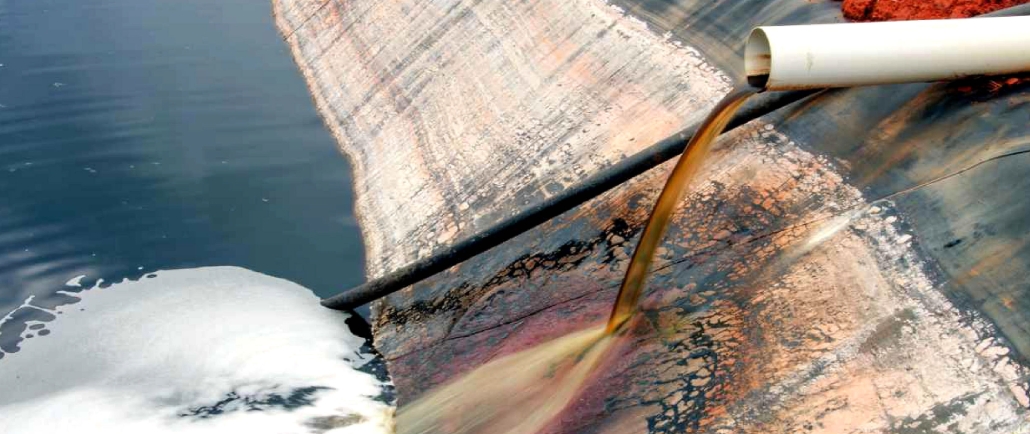
Landfill leachate—or “garbage water”—is the toxic liquid created when rain and snowmelt percolate through landfills. It contains a complex mix of contaminants, including PFAS, heavy metals, PCBs, and 1,4-dioxane. For decades, the prevailing practice in New York has allowed this leachate to be delivered untreated to municipal sewage treatment plants—facilities that are not designed to remove these chemicals.
As a result, contaminants can pass through treatment plants and enter rivers, lakes, and streams—many of which serve as drinking water sources for millions of New Yorkers. This regulatory gap is what we call the Leachate Loophole.
What is rulemaking?
Rulemaking is how a state agency like DEC creates or updates rules that put laws into practice. In New York State, this process begins when a proposed rule is published, giving the public an opportunity to review it, ask questions, and submit comments. After hearing from the public, the agency can adopt the rule, revise it, or withdraw it. Rulemakings are meant to make sure that decisions affecting communities are not made behind closed doors—and that the people who may be impacted have a real chance to be heard before a rule becomes final. However, members of the solid waste industry have been receiving information about this rule for the past two years, while the public has not. More outreach is needed so that the public can make informed comments.
WATCH: New York River Watch hosts NYS Rulemaking 101 with Drew Gamils, Senior Attorney at Riverkeeper
Momentum at the State Level
We’re encouraged to see this issue gaining overdue recognition at the highest levels of state government.
In her 2026 State of the State (p. 65), Governor Kathy Hochul highlights the risks posed by landfill leachate being sent to municipal sewage treatment plants.
“Clean water, vibrant agriculture, and a healthy environment go hand-in-hand. Currently, due to the lack of treatment for liquid waste from landfills that may contain heavy metals and PFAS, this waste may flow into municipal wastewater treatment plants that are unable to remove these substances. This risks discharging “forever chemicals” and other harmful contaminants into our drinking water. To build upon New York’s nation-leading efforts to address emerging contaminants, the Department of Environmental Conservation (DEC) will establish new regulations that instruct landfills to treat leachate for harmful contaminants at the source before discharge; and provide funding for local governments to comply. By treating leachate at the source, we can better protect our environment and our drinking water sources, and save taxpayers millions in future cleanup costs.”
At the same time, DEC has kept the leachate rule—6 NYCRR Parts 360 and 363—on its regulatory agenda for the third consecutive year.
Why Expanded Public Engagement Is Essential
DEC has conducted outreach on this rule to the landfill industry over several years, including multiple presentations to landfill operators, including at industry conferences where stakeholders were already convened. Until now, there has not been a comparable effort to engage:
- Drinking water providers
- Sewage treatment plant operators
- Counties that own inactive landfills
- Landfill fenceline communities
- Environmental and public health advocates
This imbalance creates a process that favors industry voices while leaving out communities and public systems directly affected.
The rule will shape how leachate is managed for decades to come, influencing which landfills are regulated, what treatment technologies are allowed, how toxic leftovers—essentially concentrated hazardous waste—are disposed of, and which facilities will be eligible for state funding. Its impacts extend far beyond landfill operators—to water utilities, taxpayers, and the communities living with the cumulative effects of waste infrastructure.
Given the stakes, meaningful engagement can’t be limited to a single meeting or a narrow set of voices. It must include all of those who will be affected.
Stay Engaged
This rulemaking is a once-in-a-generation opportunity to close the Leachate Loophole and protect New York’s waters. Public participation now will shape whether the outcome truly protects drinking water, public health, and environmental justice—or simply preserves the status quo.
Together, we can work towards landfill leachate no longer being someone else’s problem—downstream.
TAKE ACTION
SIGN UP: For one or both of the NYSDEC’s presentation on the upcoming rule for Onsite Treatment and Disposal of Leachate at Landfills
VISIT: New York River Watch, formerly the Hudson and Mohawk Rivers Leachate Collaborative, is a new organization that embraces a holistic approach to protecting New York’s rivers. Our team brings nearly fifty years of experience protecting the Hudson River and its tributaries—a legacy of dedication poured into this work. The Leachate Loophole campaign remains our primary focus, exposing regulatory gaps that allow landfill leachate—a toxic garbage soup loaded with harmful chemicals—to flow untreated into rivers and streams. This harmful practice threatens the health of millions of New Yorkers and the wildlife that depend on these essential water sources. New York River Watch is leading the movement to advocate for comprehensive, sustainable statewide solutions.
JOIN: New York River Watch’s mailing list
FOLLOW: On Facebook and Instagram
READ: Our report “The Threat of Landfill Leachate to Drinking Water in the Hudson and Mohawk Rivers”
DONATE! New York River Watch is currently working on the first of its kind statewide report that will show the scope and scale of the landfill leachate entering NYS waters. We need your support! Please consider making a tax-deductible contribution to our important, impactful work!